
Features
With Healey Reportedly Eyeing a Slot Machine Tax Rise on 28 October, Has British Cinema Ever Really Nailed the Lure of the Fruit Machine?

Chancellor John Healey stands up to deliver his first Budget on 28 October, and the line item exciting the most lobbying in pubs, arcades, bingo halls and casinos is a dull one: Machine Games Duty, the tax on fruit machines and every other cash prize machine in the country. Reports say the Treasury is weighing a doubling of the standard rate from 20% to 40%. For a film writer, the timing is oddly poetic. The week the machines become front page news, venues like Digbeth’s Mockingbird Cinema, now on the BIFA longlist for UK Cinema of the Year, are still programming the kind of British repertory titles where these cabinets blink away in the background of almost every pub and pier scene.
The machines have been squeezed before. In April, the Remote Gaming Duty paid on online play nearly doubled, from 21% to 40%, after Rachel Reeves raised it in last year’s Budget. That rise reshaped the digital side of the business first, and anyone comparing the best slot sites today sees a market where licensed operators now cap wagering at 10 times the bonus or less, a Gambling Commission rule in force since January. The physical machine is the next target, and it arrives with a lot more cultural baggage.
The machine British film keeps in the corner of the frame
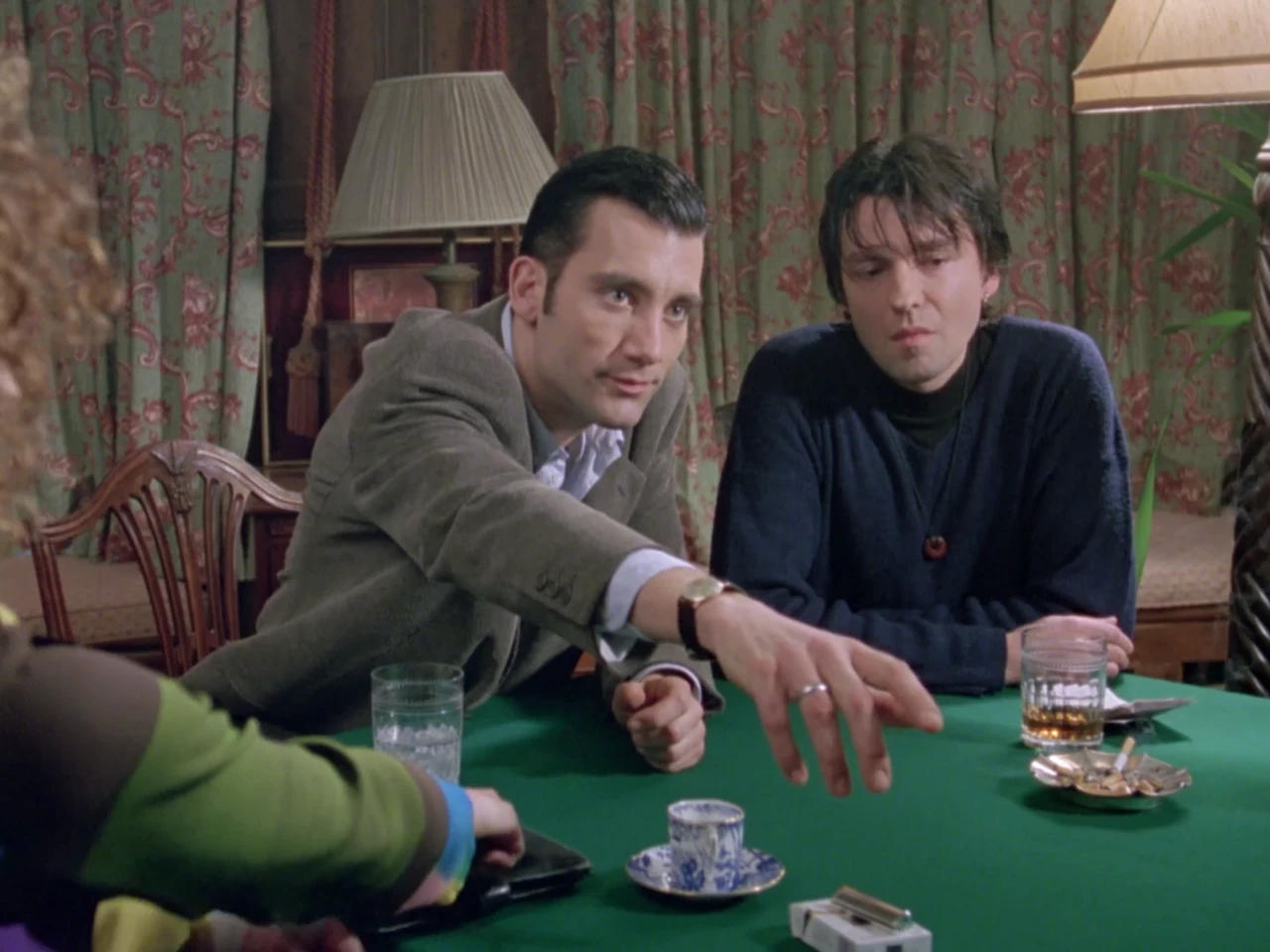
British cinema has never been shy about gambling. It simply prefers the green baize. Mike Hodges’ Croupier (1998) gave Clive Owen a London casino and a dealer’s eye view of the punters, and its gambling lives almost entirely at the tables. Casino Royale (2006) swapped baccarat for Texas hold’em and turned a card game into an action set piece. Brighton Rock (1948) built its menace around the racecourse and the Palace Pier, where the seafront amusements are scenery for Pinkie Brown rather than a subject.
The fruit machine, by contrast, is furniture. It flashes behind actors in pub scenes and hums away in seaside arcades. Directors use it to tell the audience where they are, whether that is a working men’s club or a boozer that has seen better decades. What they almost never do is ask why a person would stand in front of one for an hour.
Where the camera did linger
The rare exceptions are telling. Among the material held by London’s Screen Archives is a silent 1963 rush shot by Joan Littlewood, the theatre director behind Oh, What a Lovely War!, in which the camera wanders through a London amusement arcade, past a shooting game, slot machines, roulette tables and pinball, before settling into a betting shop for long portraits of the punters. It is unfinished footage, but it does what features rarely bother to do. It watches faces rather than reels.
Then there is The Fruit Machine (1988), Philip Saville’s cult Granada thriller written by Liverpool’s Frank Clarke. The title belongs to a drag nightclub run by Robbie Coltrane’s Annabelle, not a cabinet, and the plot sends its two teenage runaways from Liverpool to a Brighton fun park called Wonderland, shot at Flamingo Land in North Yorkshire. Yet the name lands because every British viewer in 1988 knew the real thing: a box of lights and chance in the corner of the room, promising more than it ever paid. The title needed no explanation, and that says plenty.
That is the gap. Cinema treats the machine as shorthand for a place and a class, a visual cue, and leaves the actual pull unexamined, above all the near miss and the nagging sense that the next spin is the one.
What the Machine Games Duty rise would change
Away from the screen, the numbers are simpler than the films. Machine Games Duty is charged on a venue’s net takings from its machines, meaning stakes in minus prizes paid out. According to HMRC’s published gambling duty rates, most pub and arcade machines costing up to £5 a go sit in the 20% band. Low stake machines costing 20p or less with prizes capped at £10 pay 5%, and anything where a single play can cost more than £5 pays 25%.
The idea doing the rounds in Westminster, backed by a Social Market Foundation proposal, is to push the main band to 40%. The think tank put the extra revenue at around £450 million. Opponents have their own figures. Research for the Night Time Industries Association, using modelling by EY, suggests 34 casinos and 3,800 jobs could be at risk, while a letter from the biggest bookmakers to the Chancellor cited estimates of between 690 and 1,470 further betting shop closures.
For anyone who simply plays the odd pound in a pub machine, the effects are likely to be indirect. A tax on net takings tends to show up as fewer machines in marginal venues and older cabinets kept in service for longer. Betting shops and casinos, where machines earn a large share of the money, are the businesses the industry says are most exposed.
Why the story suits a film audience
There is a slight irony in a Budget doing what British film rarely has: putting the machine itself at the centre of the scene and asking what it is worth. The online slot platforms that took April’s hit already show how operators respond to a tax shock, with leaner welcome deals and stricter terms. The pub machine may be about to get its own version of that story.
For film fans, the more interesting question is what a good screen portrait of the fruit machine would look like. Littlewood’s camera pointed the way six decades ago by watching the players. A contemporary British director could do worse than start there, in a seaside arcade in the off season, before the Treasury decides how many of those cabinets survive the winter.


-

 Featured Review3 weeks ago
Digger ★★
-

 News3 weeks ago
Shane Meadows Headlines + Joe Lycett Named First Patron As 2026 Forward Film + TV Festival Opens In Birmingham
-

 News4 weeks ago
70th BFI London Film Festival Announces ‘LFF For Free’ Programme
-

 Featured Review5 days ago
Forgotten Island ★★★
-

 Featured Review4 weeks ago
Sense And Sensibility ★★★★
-
 Movie Reviews3 weeks ago
Bad Apples ★★★★
-

 Interviews3 days ago
Interview With Director Rhys Marc Jones (Black Church Bay)
-

 News2 weeks ago
Welsh Talent Set To Shine At 20th Anniversary Edition Of Iris Prize LGBTQ+ Film Festival