

Features
My Sense And Sensibility Era

I’ve had quite a Sense and Sensibility fortnight and very lovely it’s been too.
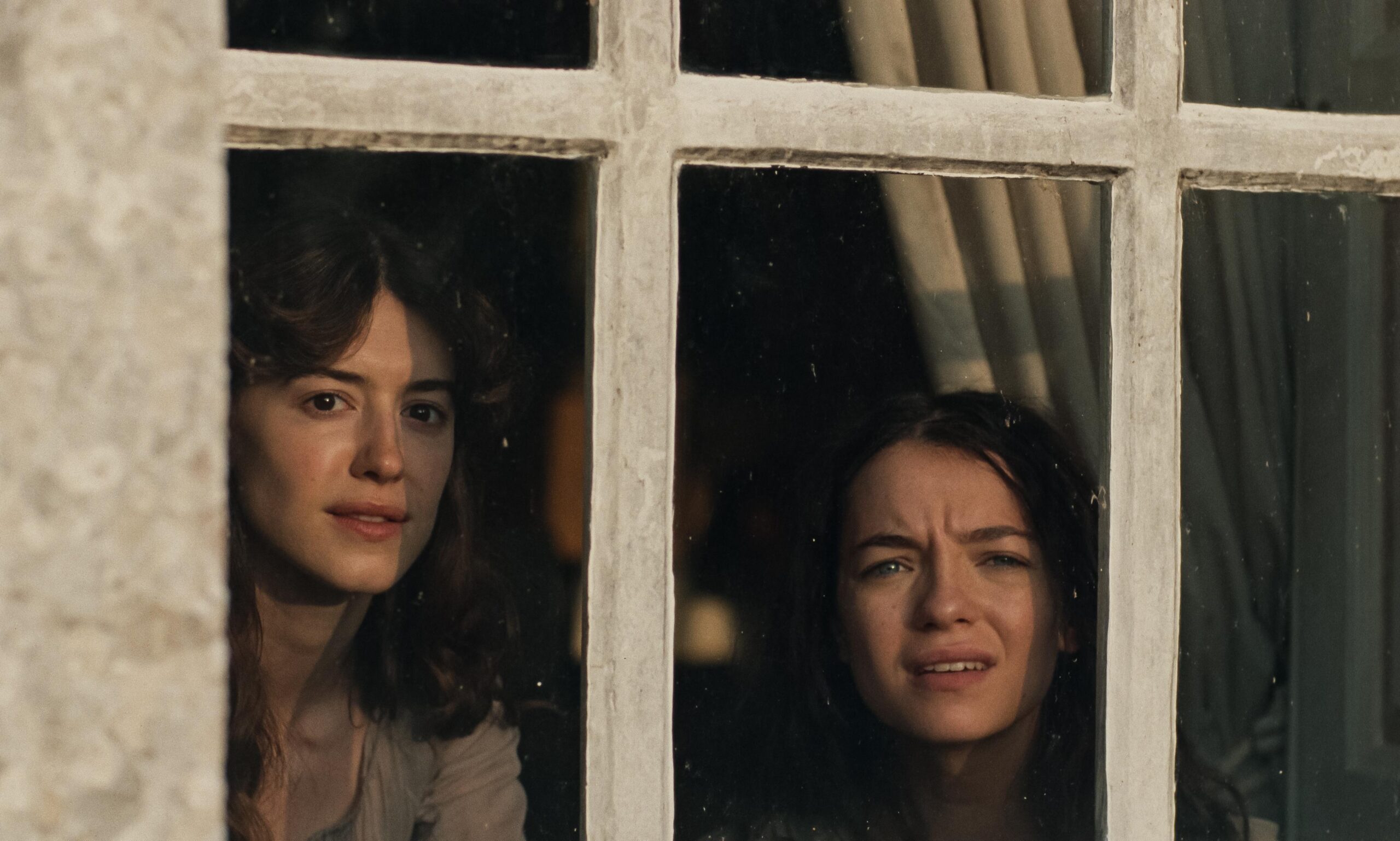
On 15th September, the world premiere took place at London’s Leicester Square. It was probably the prettiest and most elegant premiere I’ve been to. The usual red carpet gave way to a lush, countryside-themed green grass one and the guests who stepped on it brought their sartorial A game. A number of them turned up in period costume and those who didn’t wore their modern finest.
The whole main cast attended looking splendid and it was all very romantic. It was a lovely way to pull people into the world of the film before they’d even seen it.
Later that week, as part of the Chelsea Arts Festival, I attended a panel talk about the film at Cadagon Hall featuring Fiona Shaw, Bodhi Rae Breathnach, screenwriter Diana Reid and costume designer Grace Snell. It was an interesting choice of venue because Jane Austen had written much of the book at Cadagon Hotel not far from the Hall.
Diana Reid said that she had never written a screenplay before, as she is, primarily a novelist, and she had loved the 1995 film directed by Ang Lee. She was approached to write a screenplay of one of the Austen books and settled on Sense and Sensibility because there had not been a film version for 30 years. She decided she only wanted to do it if she felt she could bring something new and fresh to the story.
She was respectful of the source material but not reverent. She had to be conscious that some parts of the books simply would not work in 2026. For example, Colonel Brandon being in his late 30s in the book and falling in love with the 16-year-old Marianne would not be very palatable today, so in the screenplay she makes him a 30-year-old man and therefore less of a father figure.
As a writer, she said, you fret over every word but then when it’s presented to the actors, sometimes they can say it all with just a look.
‘And when you have the calibre of the actors in this film, that happened often!’
Fiona Shaw described the book as a piece of the architecture of culture. Jane Austen, she said, had an astute, cruel eye for human nature. For example, she created male characters who couldn’t express their affection but there were complicated layers to them which she unravelled, over time, in her books. Her own character, Mrs Jennings, Shaw described as an ebullient woman without filter. She admitted she knew people like Mrs Jennings, in her own life, people who were entirely loud but generally good hearted.
She loved wearing her character’s striking costumes, noting that the layers of the clothing people wore then matched the layers of society of that time.
Grace Snell, costume designer, said that she didn’t stick exactly with the period the book was set in. She went back some years earlier and also gave herself some artistic license to produce outfits that helped tell the story. She wanted the clothes to look lived in and which reflected the intimacy of the relationships within the family. So, the sisters share clothing as they would have done, especially after their circumstances were much reduced. It was also a way to show the story arc of the sisters and how they learnt from each other. So it wasn’t just the passing down of dresses but the sharing of their lives.
She used natural dyes for the colours of the dresses as would have been the method during Austen’s time.
Brodhi, who was last seen in another period drama, Hamnet, explained how she, Daisy Edgar Jones and Esme Miles Creed had built up their relationships so that they could convincingly play sisters. She said they spent time together playing games such as ‘never have I ever’ and painting. Her character, Margaret, the youngest sister, she described as a mix of the two older sisters. On set, she had particularly liked all the animals which feature in the film.
On 23rd September I attended a screening at Picturehouse Central followed by Q&A with Daisy Edgar Jones, Esme Miles Creed and Diana Reid.
Before joining the film, Esme described herself as more of fan of Gothic novels. She was into the Brontës. But in preparation for the film she read Austen and developed, what she described as a personal relationship with the world the author had created with her work.
Daisy said she was an Austen fan and when she heard this film was going to be made, she very much wanted to be part of it. She said there was always room for new adaptations because with such a great literary work there was always more to mine and find.
‘New individuals can breathe new life into the characters and introduce new generations to them. Our film complements the 1995 version.’
Talking about creating the sisterly bond with Esme, she said they had known each other a long time and had a shared history. They had worked together as teenagers and it had been interesting and great to reconnect as women in their twenties. She said, she herself has no siblings and so creating a sibling relationship was very meaningful.
Diana Reid said she had wanted to preserve the language of the book and the time and to keep it traditional but also to make it accessible enough to show the universal humanity under the words which can be from any period. She considers the sisters to have very rich inner lives. They are intelligent women. In modern parlance Elinore would be described as a ‘people pleaser’ whereas Marianne is more authentic and herself. But her journey in the story is that she learns that feelings can be expressed differently but still be valid while Elinore learns to go with her feelings. ‘Overall we wanted to create a multi textured film and an intimate, lived in world.’


-

 News4 weeks ago
Full 2026 Programme Announced For BFI London Film Festival
-

 Featured Review2 weeks ago
Venice Film Festival 2026 – Primetime ★★★★
-

 News18 hours ago
70th BFI London Film Festival Announces ‘LFF For Free’ Programme
-

 Featured Review3 weeks ago
The Incomer ★★★★
-

 Featured Review4 weeks ago
Late Fame ★★★★
-

 News3 weeks ago
Full Programme Announced For 20th Anniversary Edition Of Iris Prize
-

 Featured Review3 weeks ago
I Want Your Sex ★★★★★
-

 Featured Review3 weeks ago
Venice Film Festival 2026 – Bucking Fastard ★★★