
Featured Review
Sundance 2026 – How To Divorce During The War ★★★★

Released: TBC (Sundance)
Director: Andrius Blaževičius
Starring: Marius Repŝys, Ẓ̌ygimantė Elena Jakštaitē, American Adomaitytė
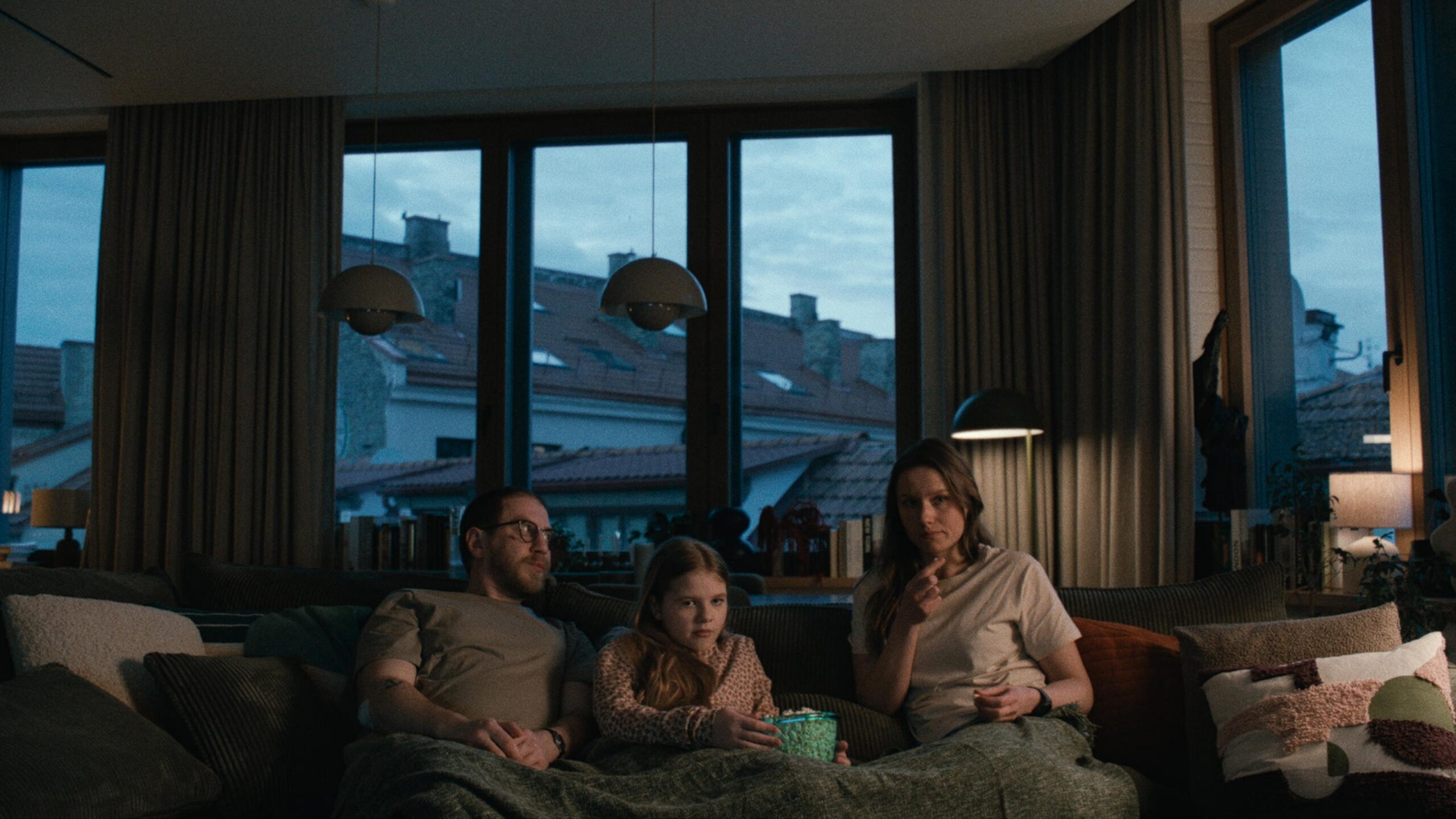
Sometimes people just fall out of love, or maybe one person does with a unilateral decision that leaves the other feeling astounded but it’s not often by choice or design. Sometimes, the timing to separate works out well. However, the Lithuanian film, How to Divorce During the War, illustrates the effects of terrible timing. Marija (Žygimantė Elena Jakŝtaitē) decides to tell Vytas (Marius Repŝys), in 2022, that their marriage is over, a decision that ends up coinciding with the eve of Russia’s invasion of Ukraine. Four years following this invasion, this darkly comedic film serves as a timely reminder of such shocking events and the impact upon those observing from afar.
The notion of change reverberates throughout, on both a domestic sphere and on the international stage as Marija and Vytas struggle to find their place within a new world. Far from depicting the marital conflict as a full scale The War of the Roses attack, director Andrius Blaževičius has crafted a sympathetic portrayal in his third film. Marija is the ambitious high flyer whilst Vytas is the out of work film director settled within the domestic roles and therefore resentment was bound to be brewing at the surface. From Marija’s perspective ennui had also developed, as she desired a modicum of excitement. However, neither of the couple could have foreseen the extremes of unpredictability that would enter their lives going forward.
Throughout the film the impact of longterm changes, in the decision to uncouple and detach themselves from their established roles, is tackled respectfully. Piece by piece, their personalities also begin to change as Marija realises that she will have to undertake more of the domestic duties alongside having the bulk of the childcare and Vytas has to find some work. The film serves as an acute insight in to the effect of external, global conflicts as we all try to assist to do the right thing to make a change. Marija decides to be principled concerning unfavourable subsidiary connections, at work, alongside assisting refugees and Vytas inadvertently discovers the power of protest. Equally, the conflict creates the scene for many terse conversations pitting family members against each other with loyalties tested and unknown political allegiances revealed, resulting in additional tensions.
How to Divorce During the War’s strength lies in these examinations of everyday efforts during a war-torn period without making a blunt political statement. Instead, the film chooses to highlight the strength of the relationship between Marija and Vytas and their diametrically opposed lifestyle patterns as they find a way to converge within their separation. Blaževičius does not hesitate to unveil many buildings bearing Ukrainian flags in support, including Marija’s apartment, to keep the film’s setting in context as the backdrop. Furthermore, he opts to focus and dissect the human condition, the intricacies of marriage and societal expectations. Within society, there may often be discussions of maintaining stale relationships for the sake of the children but Marija and Vytas’ astute daughter, Dovile, seems non plussed at the revelation of her parents’ separation and at times is bemused. Subtle facial expressions portray these sentiments between family members which reflect the overall, even-handed directorial tone within this outstanding film.
Throughout Blaževičius adopts a neutral, non-judgemental position which enables audiences to make their own determinations and character preferences. He has crafted multi-faceted, convincing characters whose dilemmas are relatable as so many of us will have pledged support, during the invasion, but may ultimately feel helpless.
With the focus remaining on Marija and Vytas’ domestic conflict, How to Divorce During the War maintains its humour despite the intense situations unfolding. Additionally, without exaggerated exposition, Blaževičius’ plot highlights that the grass may not always be greener for our protagonists. Fortunately, this is achieved without succumbing to over dramatic scenarios. It is therefore a satisfying, compelling watch with mesmerising performances from the lead actors. Unsurprisingly, Blaževičius was awarded the Directing Award within the World Cinema Dramatic Competition at the 2026 Sundance Film Festival for this highly recommended, thought-provoking film.











-

 Featured Review3 weeks ago
Iron Lung ★★★
-

 News5 days ago
Full 2026 Programme For BFI Flare Revealed
-

 Interviews3 weeks ago
Interview With Director Renny Harlin (The Strangers: Chapter 3)
-

 Featured Review3 weeks ago
Twinless ★★★★★
-

 Interviews2 weeks ago
Up Close with Marc Cubelli
-

 Featured Review2 weeks ago
Wuthering Heights ★★
-

 Movie Reviews2 weeks ago
The Day The Earth Blew Up: A Looney Tunes Movie ★★★
-

 Featured Review2 weeks ago
If I Had Legs I’d Kick You ★★★★★