

Features
Theater Hits That Became Successful Movie Adaptations

The relationship between theater and cinema has always been closely connected. Many of the world’s most beloved films actually began as stage productions that captured audiences with powerful storytelling, memorable characters, and compelling music. Over time, filmmakers recognized the potential of these theatrical hits and brought them to the big screen, introducing them to wider audiences around the world.

From classic Broadway musicals to dramatic stage plays, theater adaptations have proven that stories created for live performance can translate beautifully into film. In this article, we explore some of the most famous theater hits that were successfully adapted into movies, why these adaptations work so well, and how they continue to shape modern entertainment.
Meanwhile, if you are eager to know latest about GZone, check out GameZone casino games news for the freshest buzz within the platform.
Why Theater Stories Adapt Well to Movies
Stage productions often focus on strong narratives, character development, and emotional storytelling. These qualities make them ideal candidates for cinematic adaptation.
When a play or musical becomes popular on stage, it already has a proven audience base. Producers and film studios see this as an opportunity to bring an established story to moviegoers who may never have had the chance to watch the original theater performance.
Additionally, movies allow creators to expand on stage limitations. Film adaptations can add elaborate sets, realistic locations, and cinematic effects that were impossible in a traditional theater environment.
The Lion King: From Stage Spectacle to Film Magic
One of the most famous examples of a theater-to-film success is The Lion King. Originally released as an animated film by Walt Disney in 1994, it later became a hugely successful Broadway stage musical.
The stage version gained global recognition for its creative puppetry, powerful music, and innovative costumes. Songs like Circle of Life and Can You Feel the Love Tonight became iconic parts of the production.
The musical’s success eventually influenced new film adaptations, including the 2019 photorealistic remake The Lion King, which reintroduced the beloved story of Simba to a new generation.
Les Misérables: A Legendary Musical on the Big Screen
Another powerful stage hit that found success in cinemas is Les Misérables. Based on the classic novel by Victor Hugo, the musical premiered in London’s West End before becoming a global theatrical phenomenon.
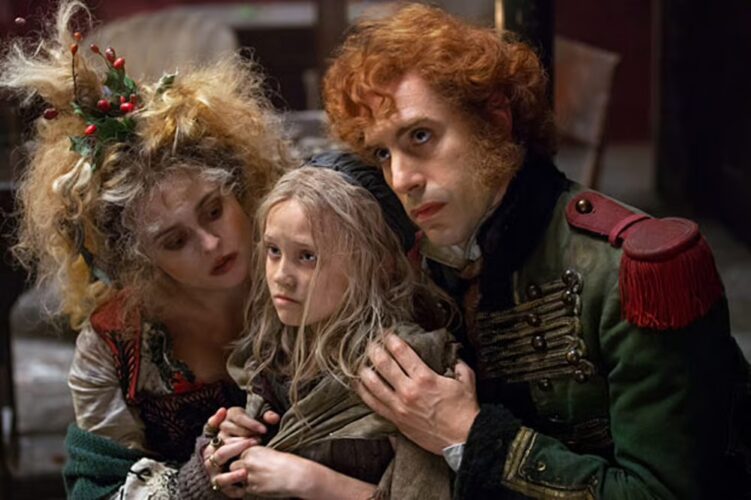
The story follows the life of Jean Valjean, a former prisoner seeking redemption in 19th-century France.
The musical was adapted into the acclaimed 2012 film Les Misérables, directed by Tom Hooper. The film starred Hugh Jackman, Anne Hathaway, and Russell Crowe, and it received multiple awards and nominations.
The movie retained the emotional intensity of the stage version while using cinematic visuals to portray revolutionary France in a more immersive way.
Chicago: A Broadway Classic Turned Oscar Winner
The musical Chicago is another example of a theatrical hit that successfully transitioned into film.
Originally premiering on Broadway in 1975, the show tells the story of crime, fame, and media sensationalism in the Jazz Age. Its satirical look at celebrity culture resonated with audiences for decades.
In 2002, the story was adapted into the film Chicago, directed by Rob Marshall. The movie starred Renée Zellweger, Catherine Zeta-Jones, and Richard Gere.
The film won the Academy Award for Best Picture, becoming one of the most successful musical film adaptations in modern Hollywood.
Hamilton: A Stage Sensation on Streaming
One of the most recent examples of a theatrical hit adapted for a broader audience is Hamilton, created by Lin-Manuel Miranda.
The musical tells the story of American founding father Alexander Hamilton through a groundbreaking mix of hip-hop, rap, and traditional Broadway music.
Although it was originally a stage performance, the recorded production was released as the film Hamilton on Disney+, allowing millions of viewers to experience the show without attending a live theater.
This approach demonstrated how technology and streaming platforms are changing the way theater can reach global audiences.
West Side Story: A Musical That Shined in Two Film Versions
The musical West Side Story is another legendary theater production that made a significant impact on cinema.
Inspired by Romeo and Juliet by William Shakespeare, the story explores rival street gangs and forbidden love in New York City.
The first movie adaptation, West Side Story, won ten Academy Awards and became a landmark musical film.
Decades later, acclaimed director Steven Spielberg released a modern remake titled West Side Story, introducing the classic story to contemporary audiences with updated visuals and performances.
Why Audiences Love Theater-to-Film Adaptations
There are several reasons why audiences continue to enjoy movie adaptations of theater productions.
1. Familiar Stories with Fresh Perspectives
Fans who loved the stage version enjoy seeing how filmmakers reinterpret the story. New settings, visual effects, and cinematic storytelling often bring a fresh perspective to familiar narratives.
2. Accessibility for Global Audiences
Not everyone can attend Broadway or West End performances. Movie adaptations allow audiences around the world to experience stories that were once limited to live theater venues.
3. Expanded Visual Storytelling
Movies provide opportunities to showcase locations, crowd scenes, and visual effects that would be difficult or impossible on stage.
4. Star-Studded Casts
Film adaptations often feature well-known actors and performers, bringing additional excitement to beloved theatrical productions.
The Future of Theater Adaptations in Film
The trend of adapting stage hits into movies continues to grow. Modern technology, streaming platforms, and global distribution networks make it easier than ever for theatrical productions to reach wider audiences.
Upcoming adaptations and recorded performances are expected to continue bridging the gap between theater and cinema. Productions like Wicked, which is being adapted into the film Wicked, show that studios still see tremendous potential in stage-based storytelling.
As more theatrical productions gain worldwide popularity, filmmakers will likely continue turning them into cinematic experiences that preserve their magic while expanding their reach.
Conclusion
Theater and cinema may be different forms of storytelling, but they share a common goal: to captivate audiences with unforgettable stories. Many of the world’s most celebrated films began as stage productions, proving that powerful narratives can transcend performance mediums.
From Les Misérables to Hamilton, theater hits adapted into movies continue to inspire audiences around the world. These adaptations not only preserve the legacy of stage productions but also introduce them to new generations of viewers.
As technology and storytelling evolve, the connection between theater and film will likely grow even stronger, ensuring that great stories continue to shine both on stage and on screen.


-

 Featured Review2 weeks ago
Pinocchio Unstrung ★★★
-

 Featured Review1 week ago
The Odyssey ★★★★★
-

 Movie Reviews4 weeks ago
Gail Daughtry And The Celebrity Sex Pass ★★★
-

 Featured Review3 weeks ago
Evil Dead Burn ★★★
-

 Featured Review4 weeks ago
Minions And Monsters ★★★
-

 Featured Review4 weeks ago
Nirvanna The Band The Show The Movie ★★★★★
-

 News3 weeks ago
Manchester’s LGBTQ+ Film + TV Festival SCENE Unveils Star-Studded 2026 Programme
-
 Features3 weeks ago
The Multi-Channel Film Marketing Playbook: How Independent Films Can Reach Audiences Beyond Search and Social Media