
Featured Review
I Want Your Sex ★★★★★

Released: 28 August 2026
Director: Gregg Araki
Starring: Cooper Hoffman, Olivia Wilde, Charli XCX, Mason Gooding
For all the talk about how Gregg Araki’s first theatrical outing in 12 years was bound to be a scathing takedown of the “risk-averse” and “sexless” Gen Z, I Want Your Sex emerges as another remarkably open-minded “heterosexual movie” by the inimitable queer auteur. It feels as though during the time of his absence, Araki had a lot of questions not only concerning today’s youth, but even more anxieties about the same abandoned generation he made his desperate pleas for in the ’90s.
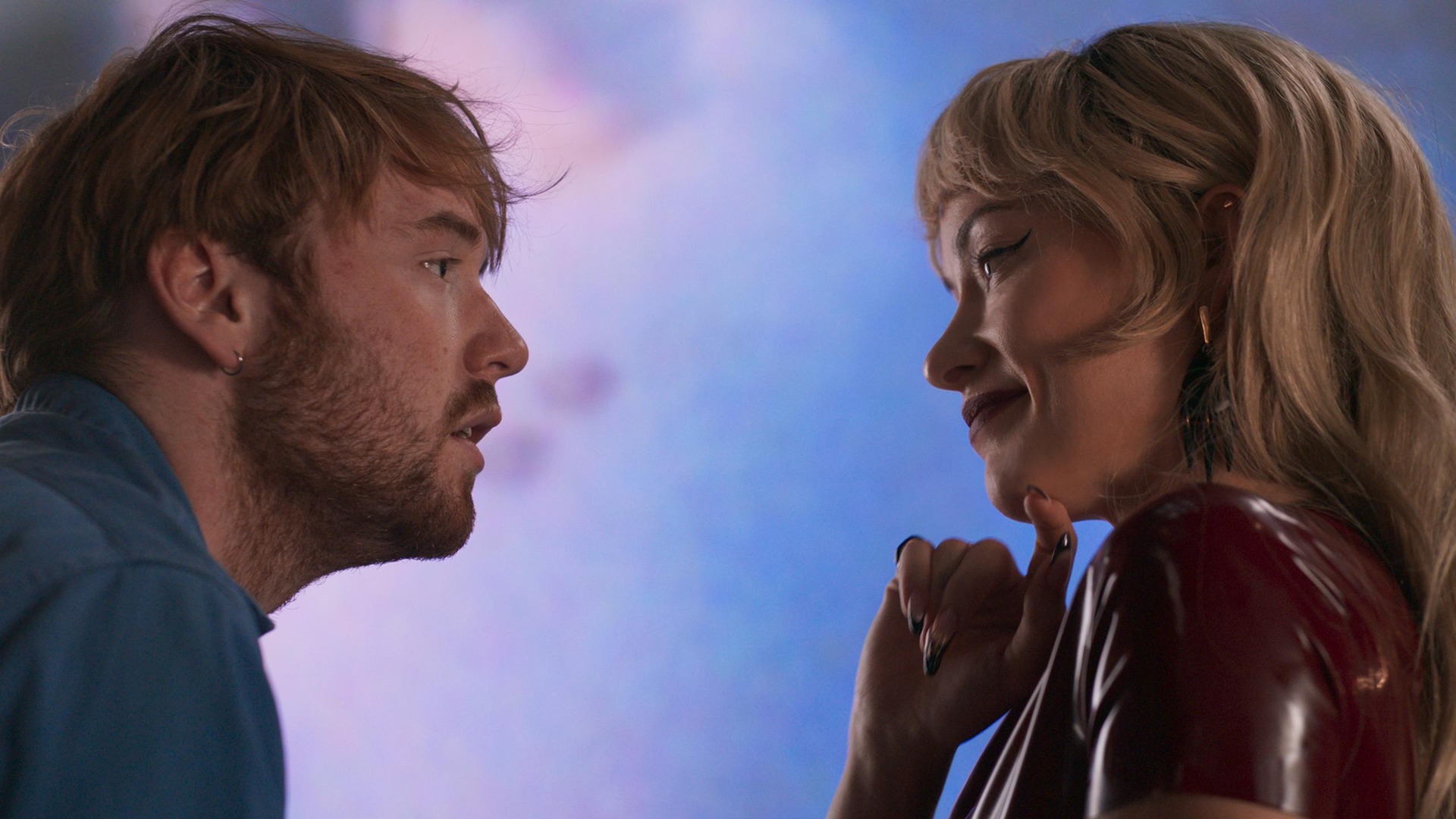
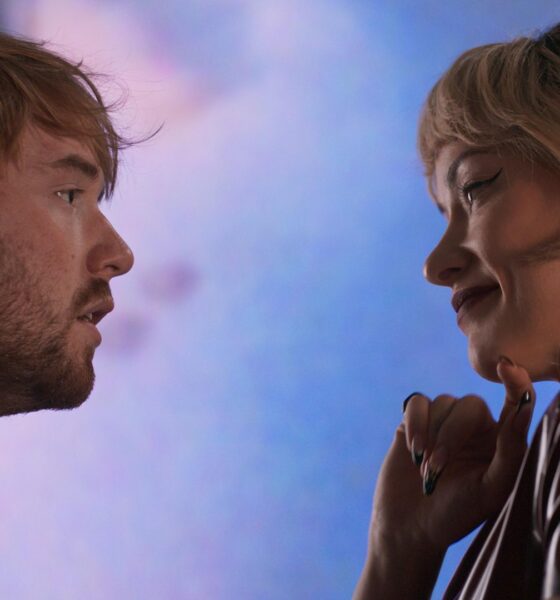
Hearkening back to the kinky cinematic traditions of the past (think Tie Me Up! Tie Me Down! or Secretary) and his own Teen Apocalypse Trilogy, Araki’s latest doesn’t shy away from uncomfortable questions and timely provocations. Staged through a Sunset Boulevard-inspired framing device, I Want Your Sex is a work of broad strokes and even more explicit inspirations: a throwback to the bubblegum ’90s brand of maximalist filmmaking, the film explores the complex relationship between a Mapplethorpe-coded art diva, Erika (Olivia Wilde), and her submissive assistant, Elliot (Cooper Hoffman).
It would be easy for a contemporary Sundance darling with this premise to devolve into a predictable polemic against Gen Z puritanism. Araki, however, is far too clever—and far too queer—to stoop to something so literal (even if the film’s brief flashes of didacticism work more often than not). Instead, he frames the narrative around self-discovery halted by a generational divide, extending genuine grace toward characters who would typically be flattened into simple labels of “abusive” or “naive.”
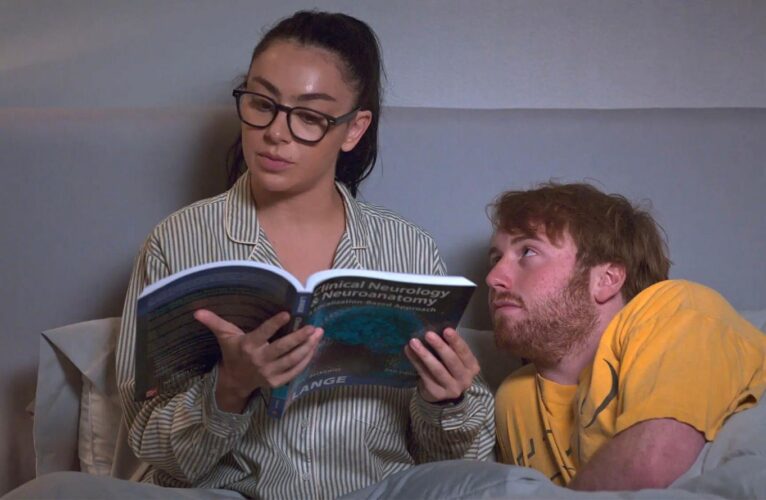
As the film settles into a much darker register than its biting first act suggests, Araki flirts with introspection, interrogating the very notion of sexual liberation his characters speak so confidently about. The rift between the leads (and their respective generations) widens once a key realization hits: if for Erika sex is a cynical performance, Elliot views intimacy through the anxious lens of the 2020’s. Erika treats modern art as a hollow commodity, hiding her genuine aspirations behind a facade of apathy—artistic exploitation turning sexual, a cruel view of S&M born out of deep-seated anger.
Between explicit nods to 9 ½ Weeks and the constant allusions to queer art, Araki’s inquisitiveness remains just as much of a driving factor as it did in the 90’s. He still has his finger on the pulse of the zeitgeist, and that extends to the technical side of filmmaking: digital photography lends his latest a uniquely expressive and vibrant look, drawing stylistic parallels to something like Kaboom with its maximalist formal experimentation. There’s a real sense of playfulness to the filmmaking that could only be achieved through the malleable quality of digital.
Thorny in ways that are often distressing, hysterical, and deeply moving, I Want Your Sex is yet another testament to Gregg Araki’s expert handling of sensitive material through an exuberant lens of curiosity. An art world satire that contrasts the insipidity of artistic regurgitation and the horrors of capitalist exploitation with the alarming rate of sexual insecurity, the film is as much of a cry for help for the younger generation as it is an examination of what went wrong with the people who raised them. In the typical Araki fashion, the punchline is hilarious—it’s the aftermath that stings.










-

 Featured Review3 weeks ago
Digger ★★
-
 News3 weeks ago
Shane Meadows Headlines + Joe Lycett Named First Patron As 2026 Forward Film + TV Festival Opens In Birmingham
-

 News4 weeks ago
70th BFI London Film Festival Announces ‘LFF For Free’ Programme
-

 Featured Review7 days ago
Forgotten Island ★★★
-

 Movie Reviews3 weeks ago
Bad Apples ★★★★
-

 Interviews5 days ago
Interview With Director Rhys Marc Jones (Black Church Bay)
-

 News3 weeks ago
Welsh Talent Set To Shine At 20th Anniversary Edition Of Iris Prize LGBTQ+ Film Festival
-

 Featured Review3 weeks ago
Her Private Hell ★★★