
Features
How Fashion Helps Bring Our Favourite Movie Characters to Life

Costume can tell you a surprising amount about a movie character. Before you know their history or understand what they want, you have already seen how they present themselves to the world. A sharply cut suit might suggest control, while a worn coat can hint at a life that leaves little room for appearances. Filmmakers and costume designers use these details deliberately. When you watch closely, clothes become part of the storytelling rather than decoration. They can reveal personality, mark changes in confidence and help even the most unusual fictional world feel convincing. Sometimes, they also create an image that stays with you long after the credits.
Clothes can introduce a character before they speak
Think about the first time you see an important character on screen. Their clothes immediately give you clues about who they are, even if you do not consciously register them.
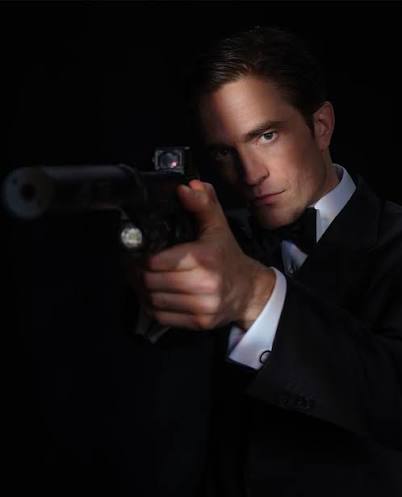
James Bond offers an obvious example. His tailored suits communicate precision and confidence, while his evening wear places him comfortably in casinos, luxury hotels and formal events. Then there is Indiana Jones. His battered fedora and practical leather jacket suggest someone accustomed to physical adventure rather than polished surroundings.
Leather has become particularly useful for filmmakers who want clothing to feel rugged or rebellious. From Top Gun to The Terminator, men’s leather jackets have helped establish recognisable screen identities because the material can look protective, practical and lived-in. A pristine jacket creates a very different impression from one covered in creases and scuffs.
Colour matters too. In The Matrix, Neo’s dark clothing helps separate him from the ordinary office environment you see earlier in the film. As he understands the Matrix and gains control within it, his increasingly distinctive wardrobe reflects that confidence.
When you rewatch a favourite film, pay attention to what you learn about a character from their first outfit before the dialogue explains anything.
A wardrobe can follow the character arc
Characters rarely remain exactly the same from beginning to end, so their clothes do not have to stay the same either. Costume designers can gradually adjust colour, fit, fabric and styling as a character changes.
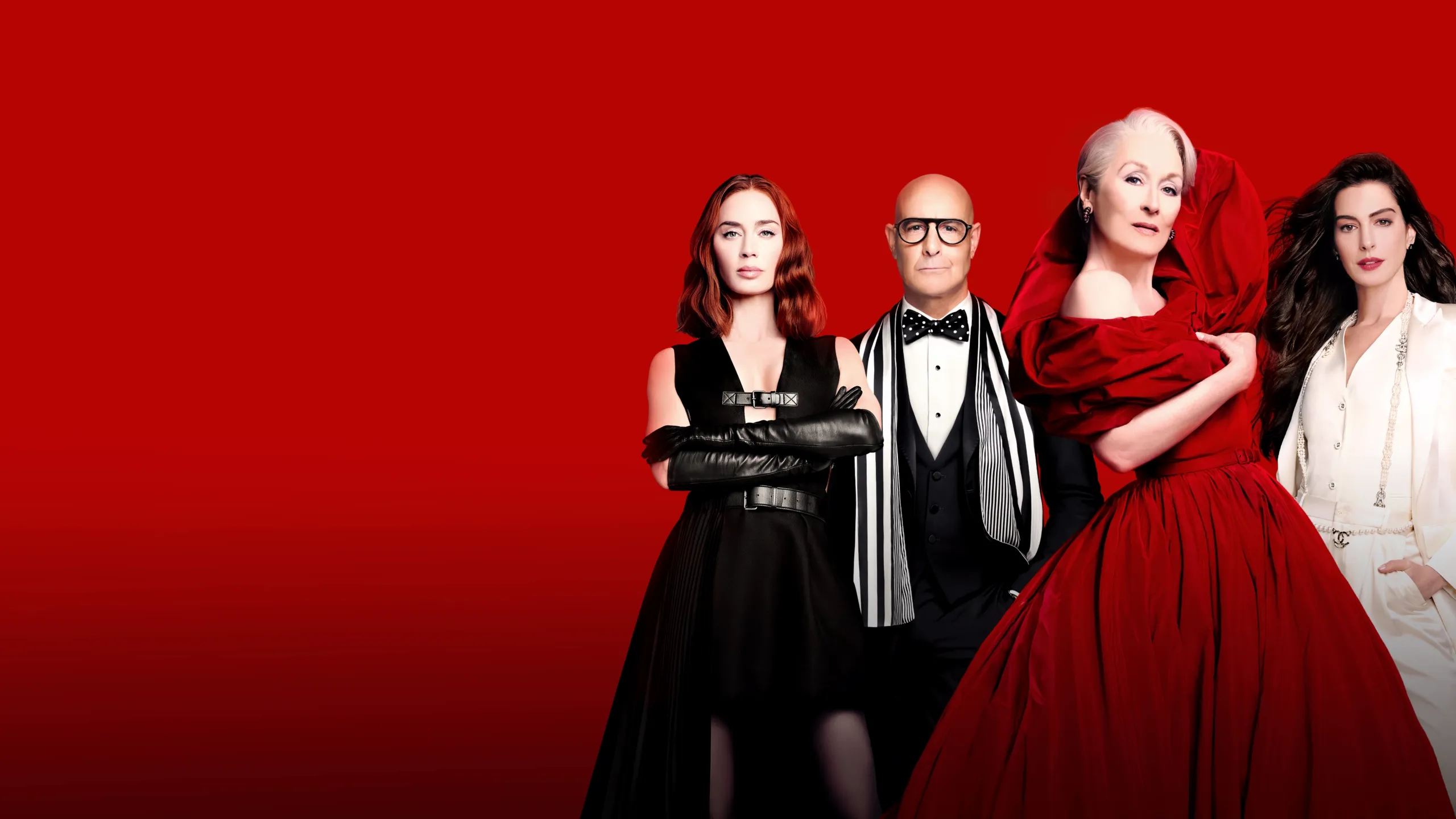
The Devil Wears Prada makes that progression easy to see. When Andy Sachs first arrives at Runway magazine, her clothes mark her as an outsider in an environment where fashion carries professional and social weight. As she becomes more immersed in that world, her wardrobe grows increasingly polished.
The change does more than give the film a makeover sequence. It lets you see how far Andy has entered Miranda Priestly’s world. Her appearance reflects greater confidence and industry knowledge, but it also raises questions about what she has sacrificed to fit in.
You can spot similar storytelling in films where costumes become less controlled rather than more sophisticated. A character facing exhaustion, isolation or danger may gradually wear dirtier or more damaged clothing. Instead of telling you that time has passed or circumstances have worsened, the film lets you see the evidence.
Look at an early and late scene involving the same character, and you can often trace part of their journey simply by comparing what they wear and how they wear it.
The best costumes belong to their cinematic world
A memorable costume still needs to make sense within the film around it. If clothing feels disconnected from the setting, period or character’s circumstances, it can pull you out of the story.
Greta Gerwig’s Barbie offers a useful example of costume working closely with an entire visual world. Barbie’s bright clothes and coordinated accessories fit the heightened artificiality of Barbie Land. The outfits would feel unusual on an everyday street, but within that environment they seem completely logical.
Period films face a different challenge. The costume team needs to make clothes feel rooted in another era while ensuring individual characters remain easy to read. In Little Women, clothing supports the nineteenth-century setting, but differences in colour, texture and styling also help reinforce the personalities of the March sisters.
Science fiction presents even more freedom, although convincing costume design still follows rules. The worn fabrics and practical layers throughout much of the original Star Wars trilogy help its universe feel used rather than newly manufactured. That sense of wear gives locations and characters a history beyond what the script explicitly explains.
Strong costume design works because you stop thinking about somebody having selected an outfit. You simply accept that the character would choose, own or need those clothes.
Some costumes outlive the movie
Certain screen outfits eventually become inseparable from the characters who wore them. Even people who have not recently watched the films can recognise Indiana Jones’s fedora, Dorothy’s ruby slippers from The Wizard of Oz or the black dress Audrey Hepburn wears as Holly Golightly in Breakfast at Tiffany’s.
That recognition comes from more than an attractive design. Repetition, silhouette and strong associations with key scenes all help fix clothing in your memory. The costume becomes visual shorthand for the character.
Movies can influence everyday fashion too. After you see a particular cut of coat, style of sunglasses or jacket used effectively on screen, it becomes easier to imagine wearing something similar yourself. You are not necessarily trying to copy the character. The film has simply given the item a clear personality and context.
Costume works best when it supports the person wearing it rather than competing with them. Once you start noticing those choices, you can read films differently. A change of coat, a carefully chosen colour or a suddenly sharper silhouette may reveal something the character has not said aloud, giving you another way to understand the story unfolding on screen.


-

 News1 week ago
Manchester Animation Festival Announces 2026 Winners And New AI Policy For 2027 Competition
-

 Features4 weeks ago
How to Choose an AI Video Generator: 8 Factors to Evaluate Before You Commit
-

 Featured Review2 weeks ago
I Play Rocky ★★★
-

 News3 weeks ago
Inaugural Edition Of MUBI Fest London To Take Over Hackney Picturehouse This November
-

 Featured Review2 weeks ago
Godzilla Minus Zero ★★★★★
-
 News2 weeks ago
Aesthetica Film Festival Announces Award Winners For 2026
-

 Interviews3 weeks ago
Interview With Ranbir Kapoor, Sai Pallavi and Yash (Ramayana: Rise Of A Legend)
-
 News3 weeks ago
Filmmaker Alex Cox Brings Latest Feature ‘Dead Souls’ To UK Cinemas For Special Q+A Tour