
Features
How Streaming Culture Is Changing the Way We Experience Cinema

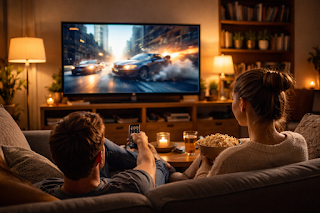
There was a time when watching a film felt like stepping out of everyday life for a while. You checked the schedule. You bought a ticket. You arrived early enough to find a good seat. You sat in the dark and stayed until the credits ended because leaving would have meant missing something.
Now most films begin with a click.
People watch them on sofas, in bed, on laptops, on tablets during train rides. They pause to answer a message. They rewind if they miss a line. In the same digital space where someone scrolls through headlines, checks social media, or briefly visits entertainment platforms like lucky capone, they also start a film.
That shift is not just technical. It changes how we concentrate, how we remember, how we discuss stories, and how much weight we give them. The screen still shows moving images. The surrounding experience feels entirely different.
From an event to an option
People once said, “We’re going to the cinema.” That sentence carried intention. It required time and effort.
Today we say, “Let’s put something on.”
Streaming removes friction. That convenience feels comfortable and practical. Yet when films sit alongside hundreds of other options, they lose some of their sense of occasion.
A film becomes one item in a long scroll.
Viewers now often:
- Browse for extended periods before choosing
- Start and abandon titles without hesitation
- Watch while multitasking
- Switch quickly if interest fades
Nothing obliges completion. Nothing insists on patience.
The ritual frame that once surrounded cinema has loosened.
Attention has changed
Streaming platforms encourage movement. Thumbnails line the screen. Previews play automatically. Recommendations update constantly.
This design trains the eye to scan rather than settle.
Many viewers:
- Watch in shorter segments
- Pause frequently
- Check their phones mid-scene
- Leave unfinished films behind
In a theatre, distraction feels public. At home, it feels harmless. Yet divided attention reshapes narrative impact.
Slow pacing becomes harder to tolerate. Quiet scenes feel longer. Visual details pass unnoticed when attention shifts away for even a moment.
The change in viewing habits becomes clear through this fragmentation.
Discovery now runs through algorithms
Film discovery once relied heavily on critics, trailers, word of mouth, and physical posters. Streaming platforms now guide viewers through recommendation systems.
Algorithms analyze prior viewing patterns and suggest similar content. This personalization helps audiences find titles aligned with their interests.
At the same time, it can narrow exposure. If someone repeatedly chooses one genre, they may see fewer alternatives.
The system quietly influences what appears visible. Choice remains wide, but curation plays a significant role.
The disappearance of waiting
Cinema traditionally involved anticipation. Release dates mattered. Trailers built excitement. Conversations lasted weeks.
Streaming compresses that timeline.
New films appear quickly. Entire series arrive at once. Viewers consume and move on. Online discussion rises rapidly and fades just as fast.
A title may dominate attention for a few days before the next release takes its place.
Cultural cycles move faster than before.
Watching alone, reacting together
Cinemas created shared physical reactions. Laughter spread across rows. Silence intensified tension. Collective response shaped atmosphere.
Streaming shifts that collective element into digital space.
Viewers now:
- Send messages while watching
- Post reactions in real time
- Read commentary mid-film
Community still exists. It operates through screens rather than shared rooms.
Discussion often overlaps with viewing instead of following it.
Screen size and sensory impact
The scale of the screen influences perception.
A large theatre screen highlights composition and detail. Surround sound deepens atmosphere. A phone or tablet cannot replicate that environment.
Filmmakers understand this reality. Dialogue-driven scenes translate more easily to smaller screens. Subtle visual cues may require greater focus to register fully.
The technical setting affects how viewers experience visual storytelling.
Payment models influence engagement
Buying a cinema ticket involves a clear, individual transaction. Viewers commit to a specific experience.
Streaming subscriptions create a different mindset. Once access feels unlimited, sampling becomes effortless. Leaving a film unfinished feels inconsequential.
This shift affects perception:
- Viewers explore more freely
- They switch titles without hesitation
- They treat films as part of a continuous flow
The financial structure shapes psychological investment.
Data and creative direction
Streaming platforms gather detailed viewing data. They measure completion rates, viewing duration, and genre preferences.
This information can influence future production choices. Pacing, structure, and thematic focus may respond to observable patterns.
The relationship between audience and creator becomes more immediate. Viewer behavior feeds directly into decision-making processes.
Global accessibility
Streaming expands access to international cinema. Viewers encounter films from various countries without waiting for limited theatrical releases.
This broader exposure increases cross-cultural awareness. Audiences can explore storytelling traditions beyond their domestic industry.
At the same time, synchronized global premieres create shared online moments. Viewers across regions react simultaneously.
The experience becomes both private and globally connected.
Comparing viewing modes
Below is a simplified contrast between traditional cinema and streaming culture:
| Aspect | Cinema Setting | Streaming Setting |
| Commitment | Planned outing | Instant access |
| Attention | Continuous focus | Interruptible |
| Discovery | Critics and trailers | Algorithm suggestions |
| Discussion | After viewing | During and after |
| Environment | Public and immersive | Private and variable |
These differences describe structure rather than value.
Memory and emotional impact
Experiences tied to distinct environments often linger in memory. A film watched in a packed theatre may feel more vivid years later.
Streaming blends film consumption into daily routine. Viewers may watch while cooking or managing other tasks. The boundary between narrative and everyday life softens.
Emotional impact still exists. It depends on intentional focus. When viewers dedicate attention, streaming can deliver powerful engagement. When attention divides, depth diminishes.
The medium remains capable. Context determines intensity.
Constant content flow
Streaming culture emphasizes abundance. As soon as one film ends, another recommendation appears.
This abundance reduces scarcity. Scarcity once increased perceived importance. Now content competes continuously.
As a result:
- Attention spans shorten
- Cultural turnover accelerates
- Films receive briefer periods of collective focus
The flow rarely pauses.
A blended viewing future
Theatre experiences and streaming now coexist. Many viewers combine both.
They attend cinemas for large-scale releases. They explore independent titles online. They revisit familiar films through streaming libraries.
The distinction becomes practical rather than ideological.
Streaming reshaped expectations around access and control without eliminating traditional cinema.
Control defines the shift
Perhaps the most significant change lies in viewer control.
Audiences now decide when to start, pause, rewind, or abandon a film. The film no longer dictates uninterrupted pacing.
This autonomy offers convenience. It also reduces endurance. Stories must compete with alternative content constantly.
Control alters perception.
Final reflections
Streaming culture transformed cinema gradually rather than dramatically. Access replaced anticipation. Browsing replaced scheduling. Online reaction replaced collective theatre response.
Films remain powerful storytelling forms. What changed is the framework surrounding them.
We watch differently. We discuss differently. We remember differently.
Cinema continues to evolve within a culture defined by immediacy, personalization, and constant connectivity.


-

 Featured Review2 weeks ago
Pinocchio Unstrung ★★★
-

 Featured Review1 week ago
The Odyssey ★★★★★
-

 Movie Reviews4 weeks ago
Gail Daughtry And The Celebrity Sex Pass ★★★
-

 Featured Review3 weeks ago
Evil Dead Burn ★★★
-

 Featured Review4 weeks ago
Minions And Monsters ★★★
-

 Featured Review4 weeks ago
Nirvanna The Band The Show The Movie ★★★★★
-

 News3 weeks ago
Manchester’s LGBTQ+ Film + TV Festival SCENE Unveils Star-Studded 2026 Programme
-
 Features3 weeks ago
The Multi-Channel Film Marketing Playbook: How Independent Films Can Reach Audiences Beyond Search and Social Media