

Interviews
Interview With Director/Actor James Sweeney (Twinless)

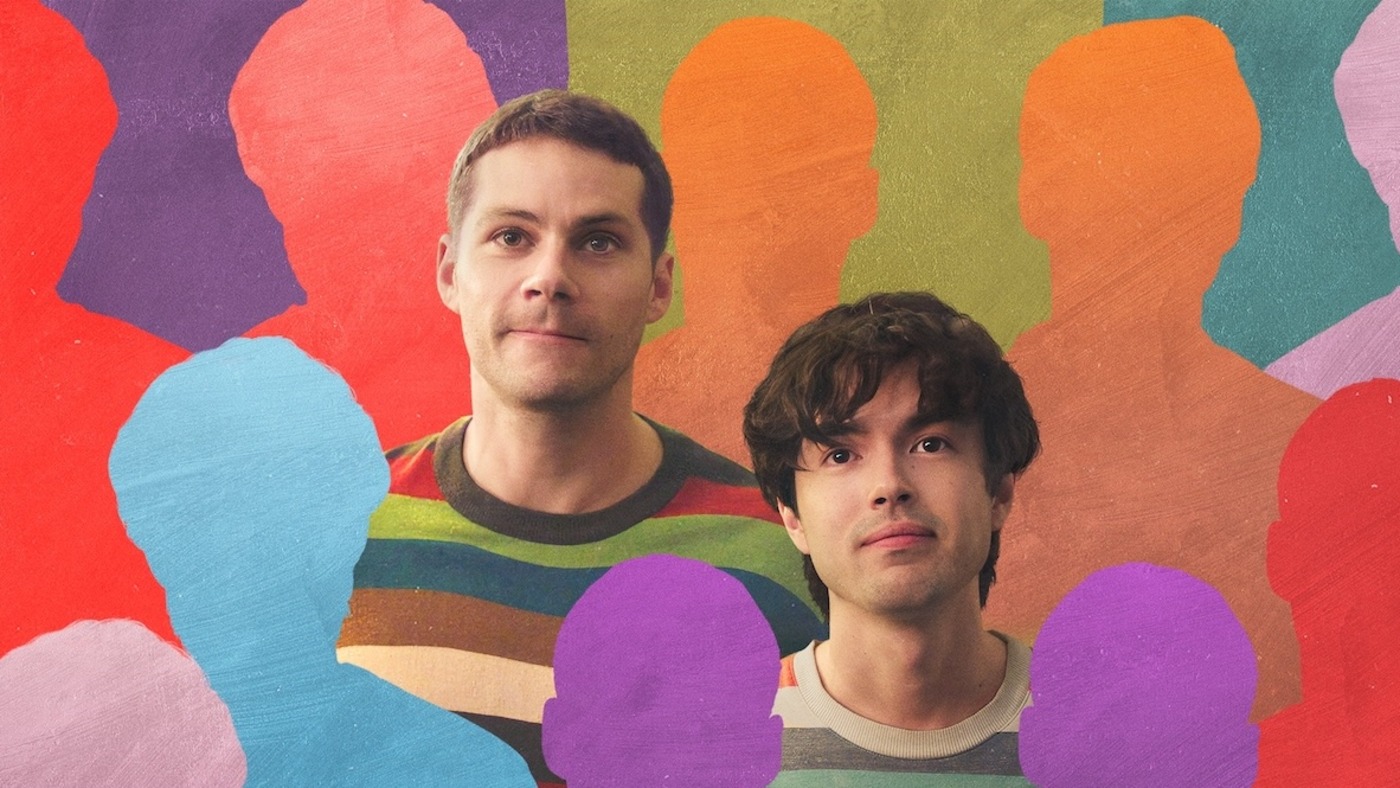
Actor-writer-director-producer James Sweeney stars alongside Dylan O’Brien in a bracing dramedy about grief, friendship, and empathy. In Twinless, Roman is grieving the death of his twin, Rocky, killed in a car accident. A support group for twinless siblings introduces him to Dennis, and an unexpected friendship takes root. We spoke with Sweeney about the journey behind this brilliant project, which is out in the UK this February.
You wore several hats on Twinless: star, director, writer. What was most challenging about juggling so many different roles?
Acting and directing – while definitely difficult to juggle on the same project – actually inform each other in a lot of ways. Being an actor has made me a stronger writer, and vice versa; it’s also given me a deeper insight into how to direct actors.
But producing is often the role that’s most at odds with the others. (Laughs) I’m laughing because, actually, the most challenging part for me was producing. I’m one of two producers on the film. As a producer, I’m responsible for keeping us on schedule and within budget – the [production] loan is literally in my name. So it can sometimes feel like a war between these competing responsibilities.
Your chemistry with Dylan is incredible. Did you rehearse heavily, or was it instant? I guess you knew each other before the shoot…
Well, he’s been attached to the project since 2020, but we weren’t familiar with each other outside of Twinless. There was immediate chemistry when we Zoomed. It was during the pandemic, so we didn’t meet in person until over a year later! But you never know if that’s going to show up on camera. In retrospect, I think we’re both grateful for the – ‘gestation’ is the word I’ll use – of the process of trying to get the film made, because it gave us time to get to know each other, not just as artists but as people. That just built trust over the years. So by the time we got to make the film, we were both, if anything, even more passionate about shooting it. Trust is really the key for me – it’s integral – both the filmmaker-to-actor relationship and co-star to co-star.

Your movie explores the experience of being a twin and associates it with the theme of grief. What did you learn about twins and brotherhood while writing, and what do you hope audiences take away from the movie?
I did a lot of research into twin psychology throughout the scriptwriting process. I initially picked up on this feeling when reading this photojournalism book called Twins [by Mary Ellen Mark], where she photographed all these twins at the Twins Day Festival in Twinsburg, Ohio, that happens annually. She also interviewed them. We see little excerpts of the relationships the twins have with each other, and it really runs the spectrum.
I do think the type of twin who attends that festival is a bit self-selective. I want to be careful in what I’m saying because I don’t believe that being a twin is a monolithic experience; every twin has their own, unique relationship. But some twins are so close that it makes it difficult to have romantic or platonic relationships that can compete with that intimacy. I was reading in one psychology text about how some twins, because intimacy is so innate to them, just from the nature of being born with somebody, find that intimacy can come much easier to them. But then they also crave it in a way that’s maybe more challenging for other people to reciprocate.
So I did sort of infuse that. It was already in the script, but it reinforced the idea once we got to set: how much Roman really needs somebody.
You’ve already had a wild rollout – Sundance acclaim, then some scenes were leaked and the internet went wild. How has it felt sharing Twinless with audiences, and has the film benefited from it?
They were happening to me personally in the same 24 hours. Looking at the box-office results in America, I’d say no. I think it created an awareness, whether it encouraged or discouraged people to see the film. It’s hard because we crafted this film with so much care, and we have seen it play so well in audience settings. We wanted to encourage people to go see it as blindly as possible. Being presented [to audiences with] explicit scenes out of context, it is not how I wanted the world to be introduced to the film, or to me or my body, to be frank. It’s disappointing – the entitlement the internet has to run scenes like that. Ultimately, we believe in the film and want it to have a long life. Hopefully, other scenes – ones where we’re not naked (laughs) – will get on the internet eventually.


-

 Featured Review3 weeks ago
Avatar: Fire And Ash ★★★★
-

 Features3 weeks ago
Why are Casino Games a Popular Theme in Movies?
-
 Featured Review1 week ago
Team MM’s Favourite Films Of 2025
-
 Featured Review2 days ago
Hamnet ★★
-

 News6 days ago
Full UK Line-Up Announced For 2026 Japan Foundation Touring Film Programme
-
 Movie Reviews6 days ago
The Spongebob Movie: Search For Squarepants ★★
-

 Movie Reviews2 days ago
The Housemaid ★★★